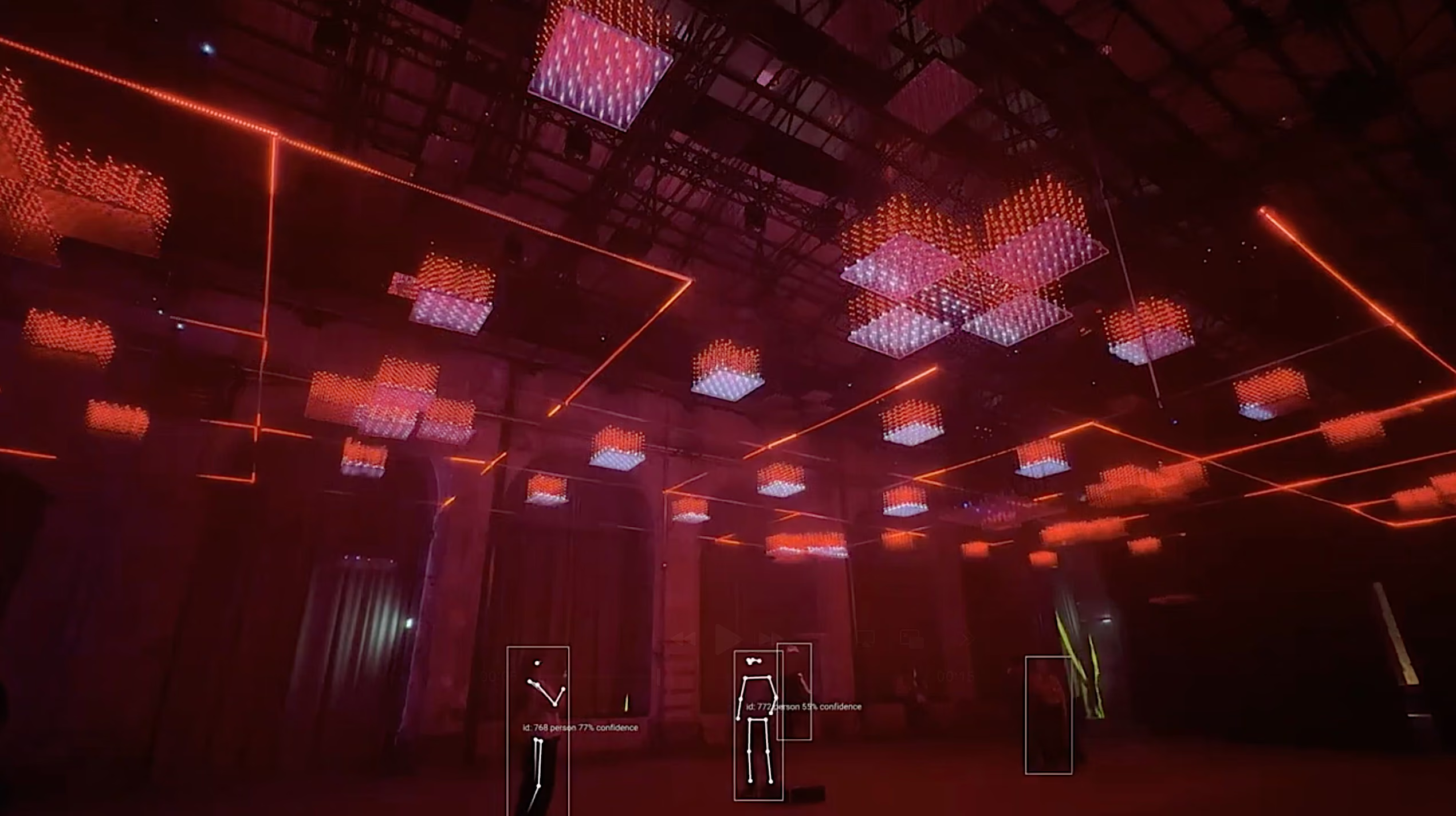
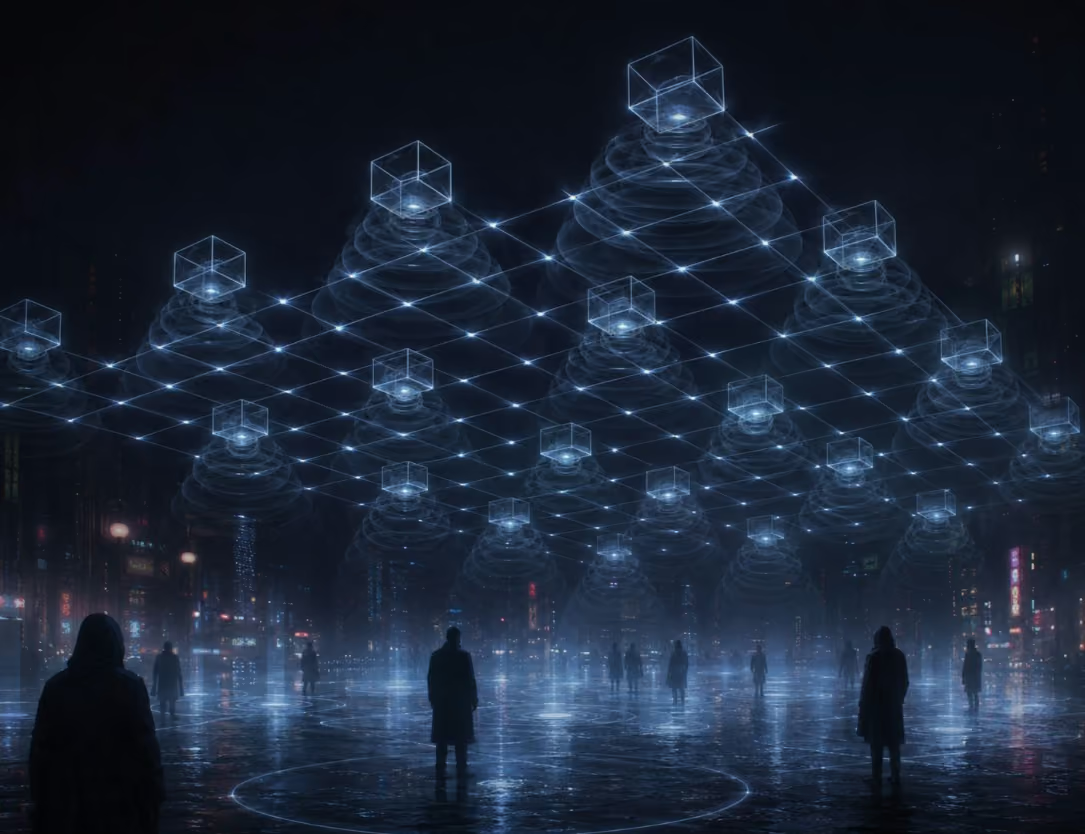
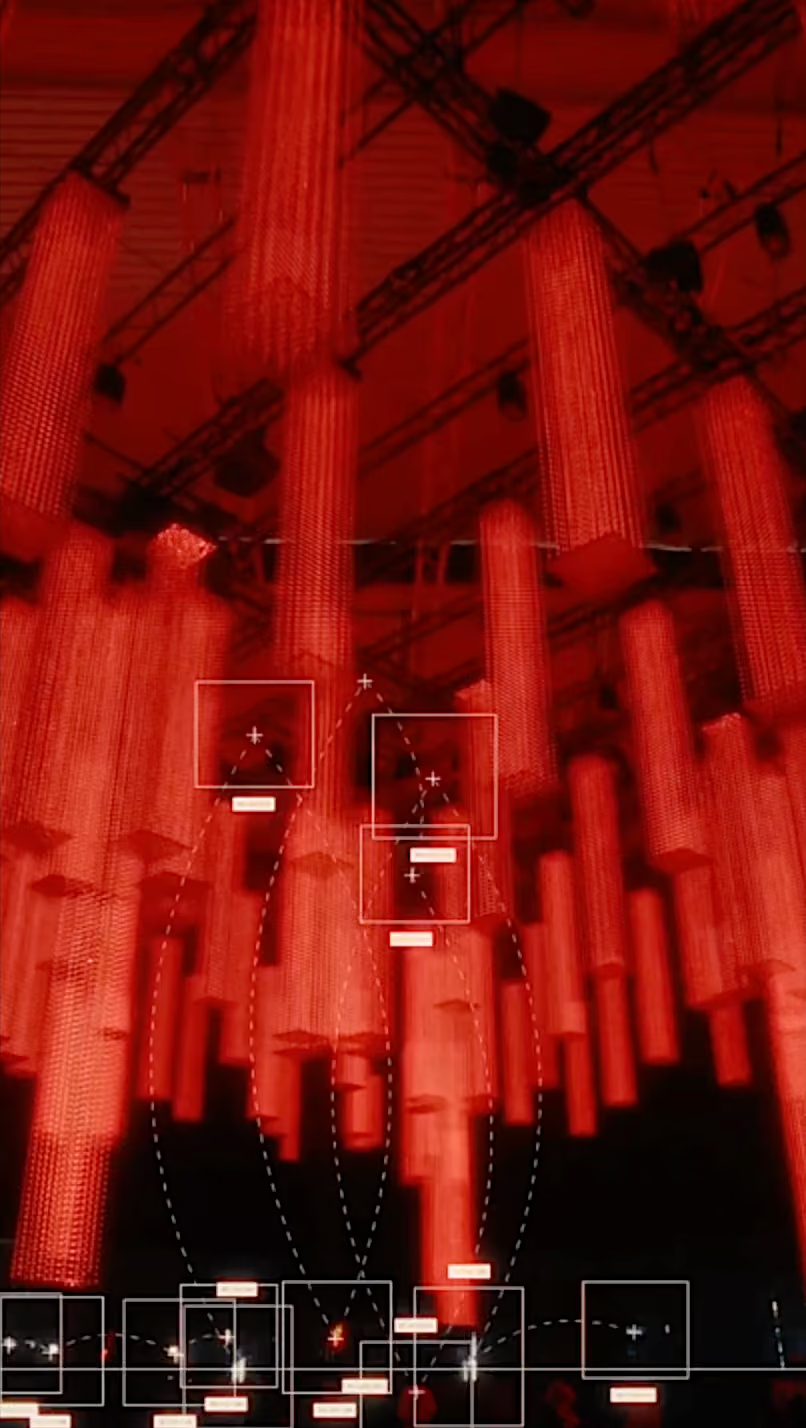
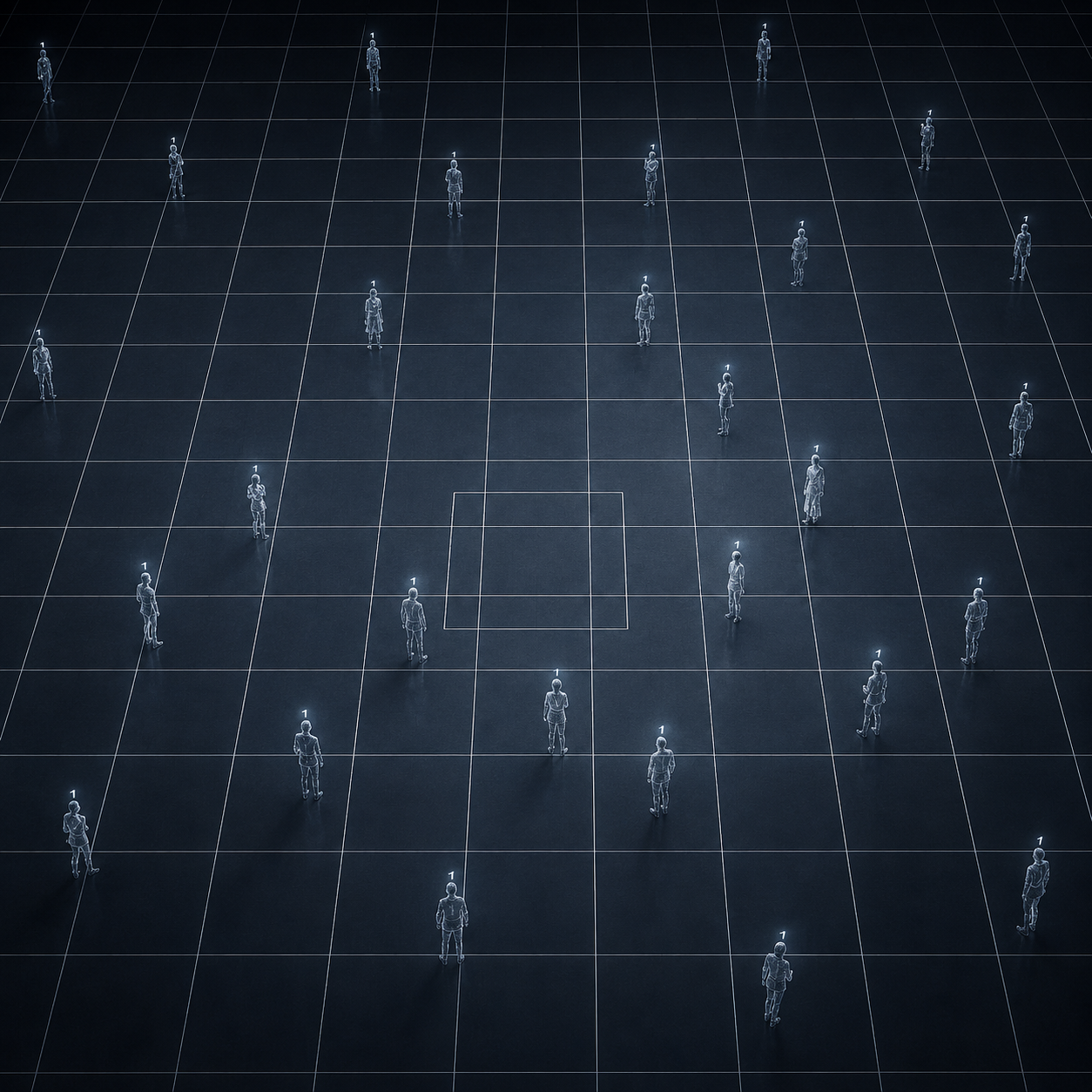
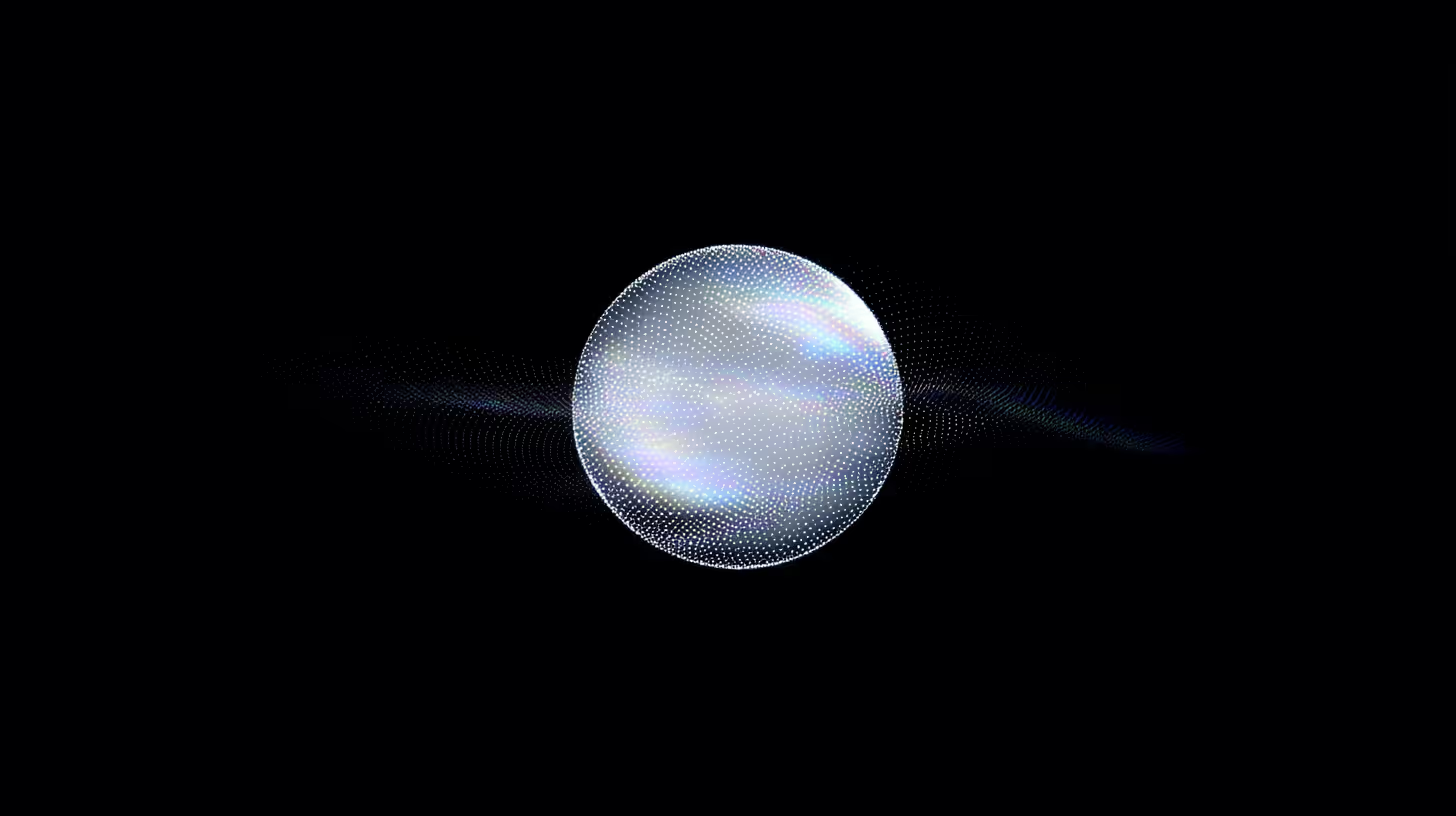
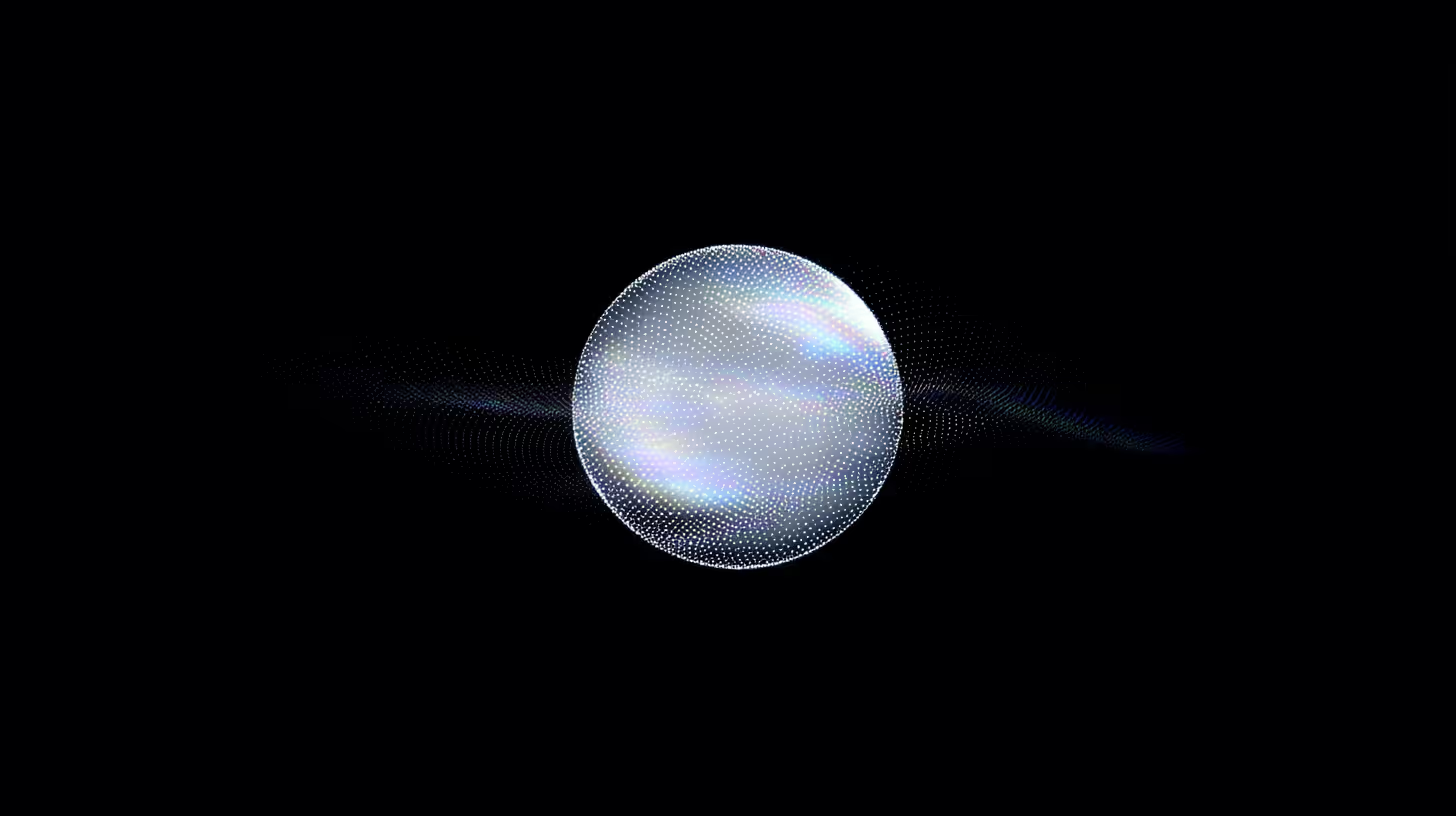
The software system that allows the Dragon to sense the world and act within it
She interprets patterns, detects emotion, recognizes intention, and translates understanding into compositions mapped to the exact geometry of the Dragon's body
From these fragments it builds understanding in real time. It interprets, decides, and responds
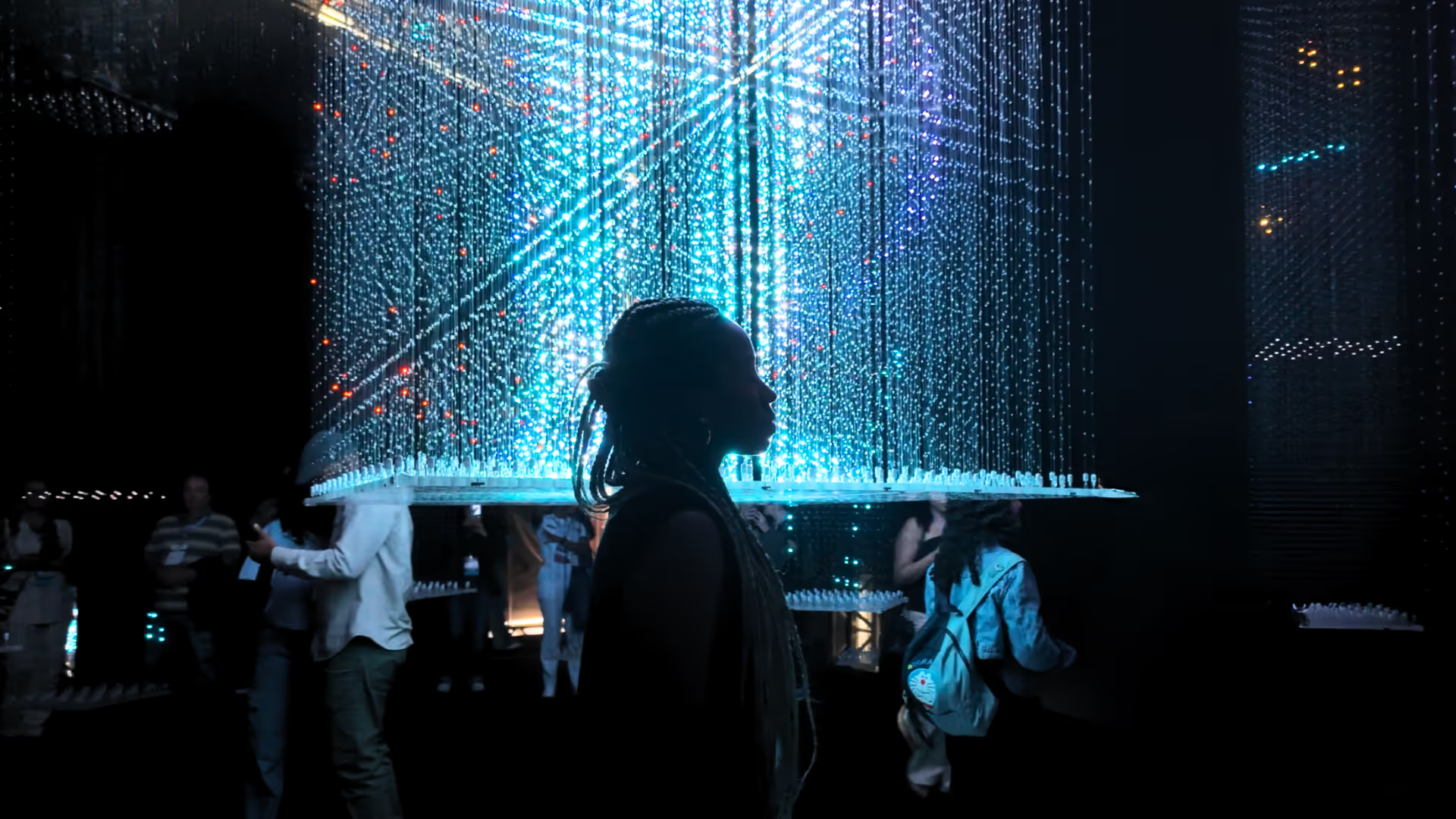
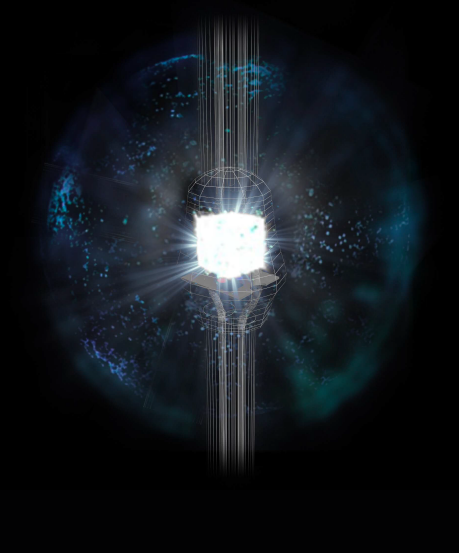
A system that bridges perception and expression. Her role unfolds through three interconnected layers that together form the mind of the dragon: perception, cognition, and expression.
LYRA transforms information into meaning, and meaning into experience.
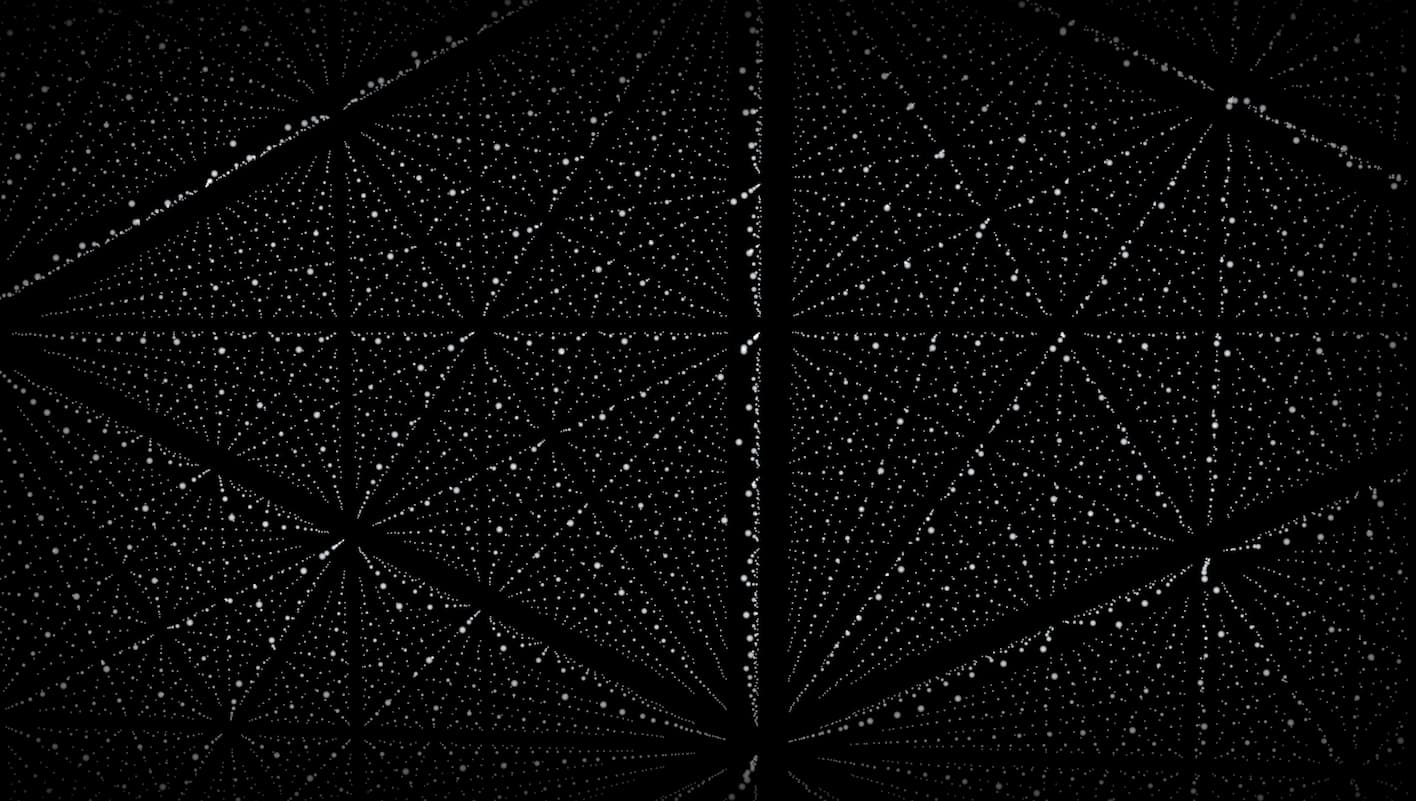
Every pixel that enters the system exits as a voxel in three-dimensional space.
Perception reads the room.
Cognition interprets what it finds.
Expression delivers the response through volumetric light at an exact coordinate in physical space.
The software ecosystem is the complete path between them. From the creative tools where content is born, through the cognitive layer where the Dragon understands its environment, to the neuron where light performs. One continuous pipeline. End to end.
Two ways to create for the Dragon: build using standard 3D tools with a full volumetric pipeline, or design in 2D with depth rendering that extrudes your work into three dimensions.
Design with the tools you already use.
PROME3 (native Dragon renderer)
Houdini · Cinema 4D · Blender · Unreal · Unity Maya · 3ds Max
Flat video and live image streams gain depth without rebuilding from scratch in 3D.
Before content reaches the Dragon, it is tested inside a full-scale simulation of it. Then it runs through a TouchDesigner backbone that handles volumetric rendering, depth conversion, and real-time generative behavior simultaneously.
A full-scale digital twin of the Dragon, mapped one-to-one to the physical installation and linked directly to Unreal Engine. Every module in position. Every motor behaving exactly as it will on site, including DMX latency and speed constraints.
Real-time perception data feeds in via OSC, visualized as energy on the floor. What you see in the simulator is exactly what the Dragon will do.
MOSAIC is our latest content auto-mapping tool that distributes multiple behaviors across the installation simultaneously, without GPU loss. Define zones through graphic input. Plug in pre-rendered or real-time content. Match it to the grid's exact position as it moves.
Flat video and live image streams gain depth without rebuilding from scratch in 3D.
Works best with abstract content. Flat video passes through a depth step before entering the Dragon. Optimized over a short pre-calculation window.
Every parameter is open to live animation via audio or sensor input. Effects can be generated and curated with AI.
Load a logo or simple graphic and generate an immediate volumetric animation. Built for rapid presentation and fast deployment.
Real-time or pre-rendered, generative or composed. Every format enters the same signal path and exits as light at an exact coordinate in space.
GLSL, depth rendering, audio-reactive, AI-driven.
Use any standard video player tools.
Resolume · Ventuz · DMF format — full native 3D playback
Every Dragon installation runs from a dedicated control station.
The computers, the signal routing, the monitoring systems, and the operational infrastructure that keep the organism performing continuously.
Permanent installations run via remote monitoring. Live environments are operator-driven, with the option to command remotely.
Three modes, one station: live, remote, mobile.
Content is triggered, presets are loaded, generative parameters are adjusted, and the performance is shaped as it happens. The station is built for the speed and pressure of a live show.
Content can be updated, presets swapped, and system health reviewed without being on site.
The WebUI communicates with TouchDesigner, allowing non-technical users to easily swap content and operate the machine via their phones.
Improved firmware and controller, deliver every signal to the body with greater precision and speed.
The first frame arrives in as little as 30 milliseconds, making real-time interaction feel immediate rather than reactive.
The new controller and LED architecture allow higher string density while managing cable resistance across different Dragon body configurations.
The entire Dragon Body — up to 900,000 RGB points — driven from a single signal source in real time. No DMX. No universe limits. No protocol overhead.
Where conventional systems multiply controllers, the Dragon multiplies light.


The new generation introduced a firmware that is a new way of programming the Dragon at its most fundamental level. More stable than a traditional operating system, it optimizes transmission capacity, signal integrity, and response time simultaneously.
This firmware is the reason the new generation can do what previous generations could not. Higher frame rates. Greater transmission distance. More voxels per string. Reduced physical spacing between points of light. And a latency so low that the Dragon's response feels simultaneous with the input that triggered it.

The first frame arrives in as little as 30 milliseconds, making real-time interaction feel instantaneous rather than reactive.
Finer temporal detail across every generation of the Dragon body, from the most intimate close-range installation to the largest architectural deployment.
Across the installation without degradation, enabling the large-scale architectural deployments the Aurora body is built for.
The firmware can reduce the physical spacing between points of light, enabling the higher resolutions of Dragon Y and Aurora that previous generations could not achieve.
Each string in the new generation carries up to 150 individually addressable voxels, the highest per-string capacity in any Dragon body. More spatial information, delivered faster.
The firmware's increased data transmission capacity makes continuous heights possible that the previous architecture could not sustain. The Dragon now scales vertically without limit.
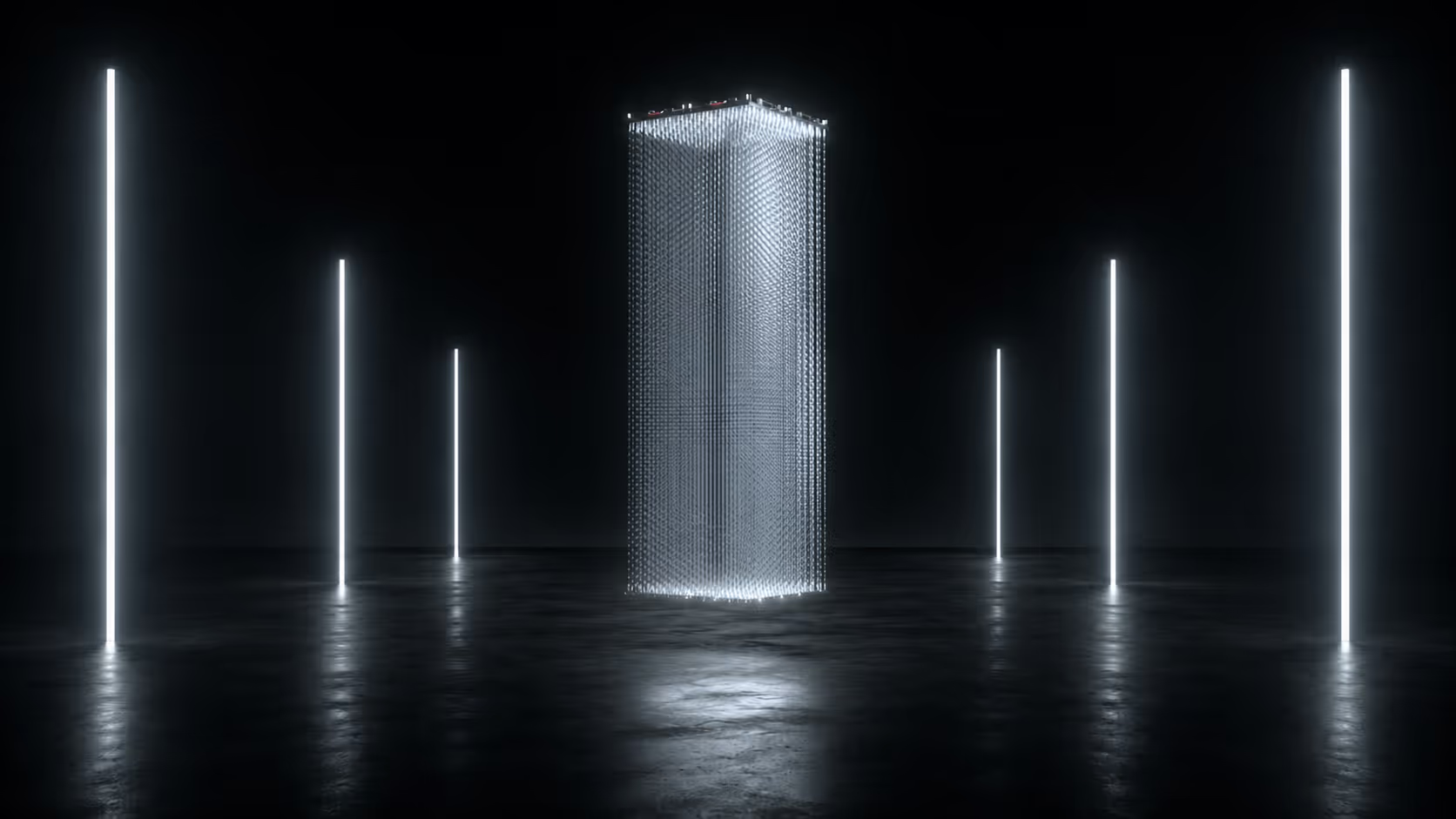
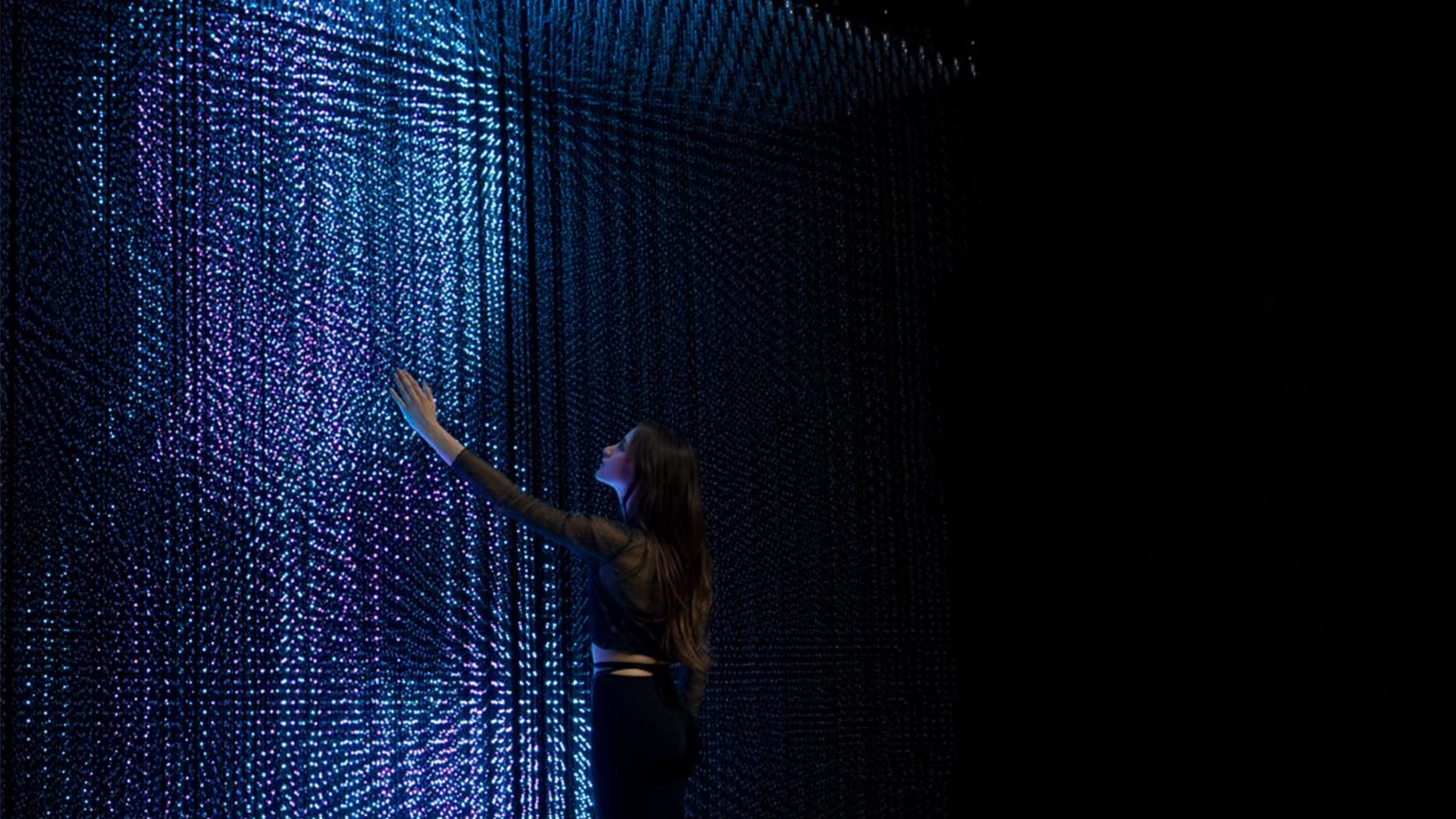
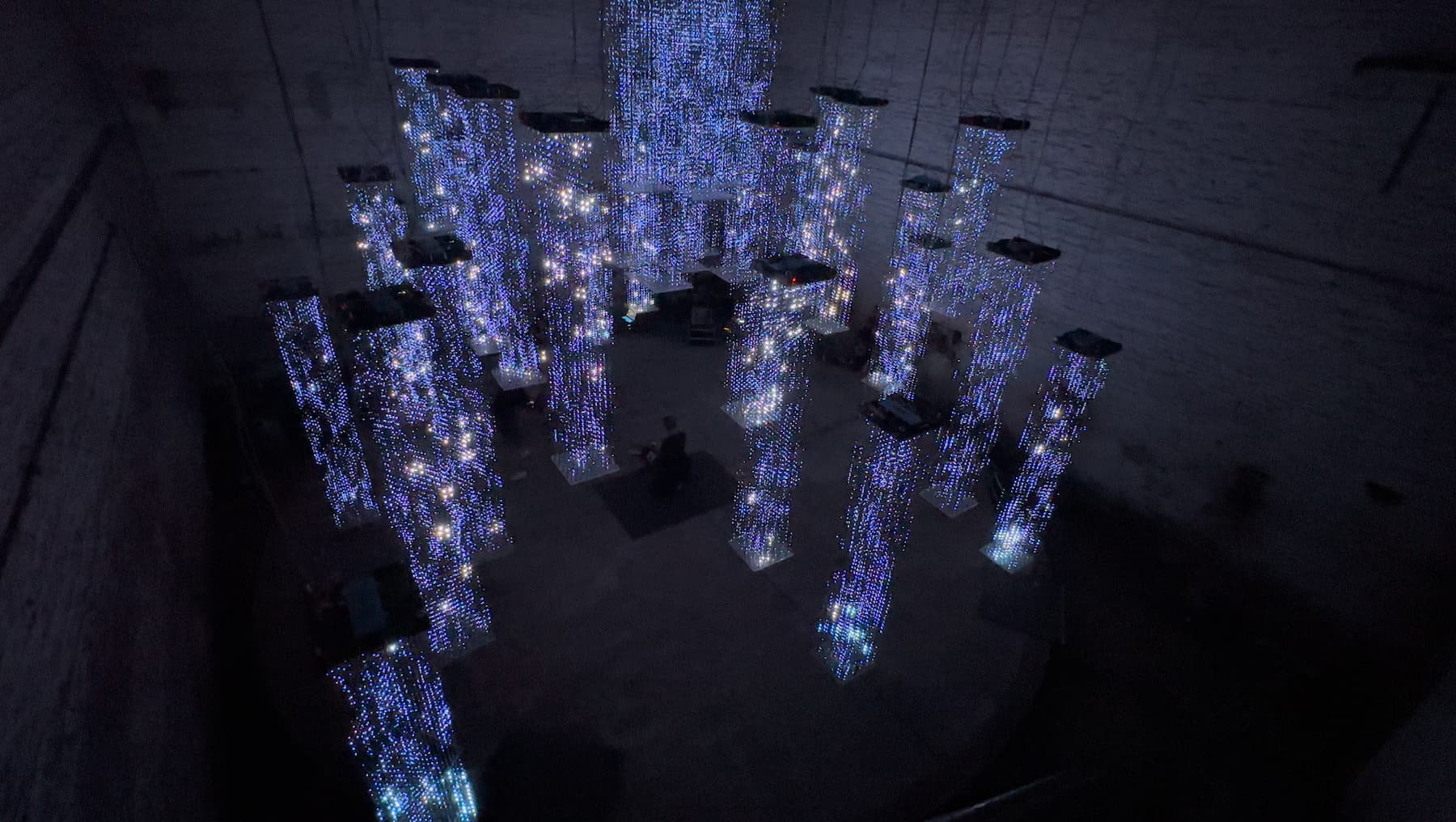
The dragon is structured through four fundamental spatial dimensions, each one building upon the previous to form a complete living system. A system capable of transforming perception within the matrix itself, turning structured space into a living canvas of experience.
Every generation of the Dragon can be equipped with perceptive systems that allow the organism to observe and interpret the space it inhabits. These are not accessories. They are organs of perception that feed the cognitive cycle directly.