USER
Environment
Soul
Exhibition mode
Location
Date
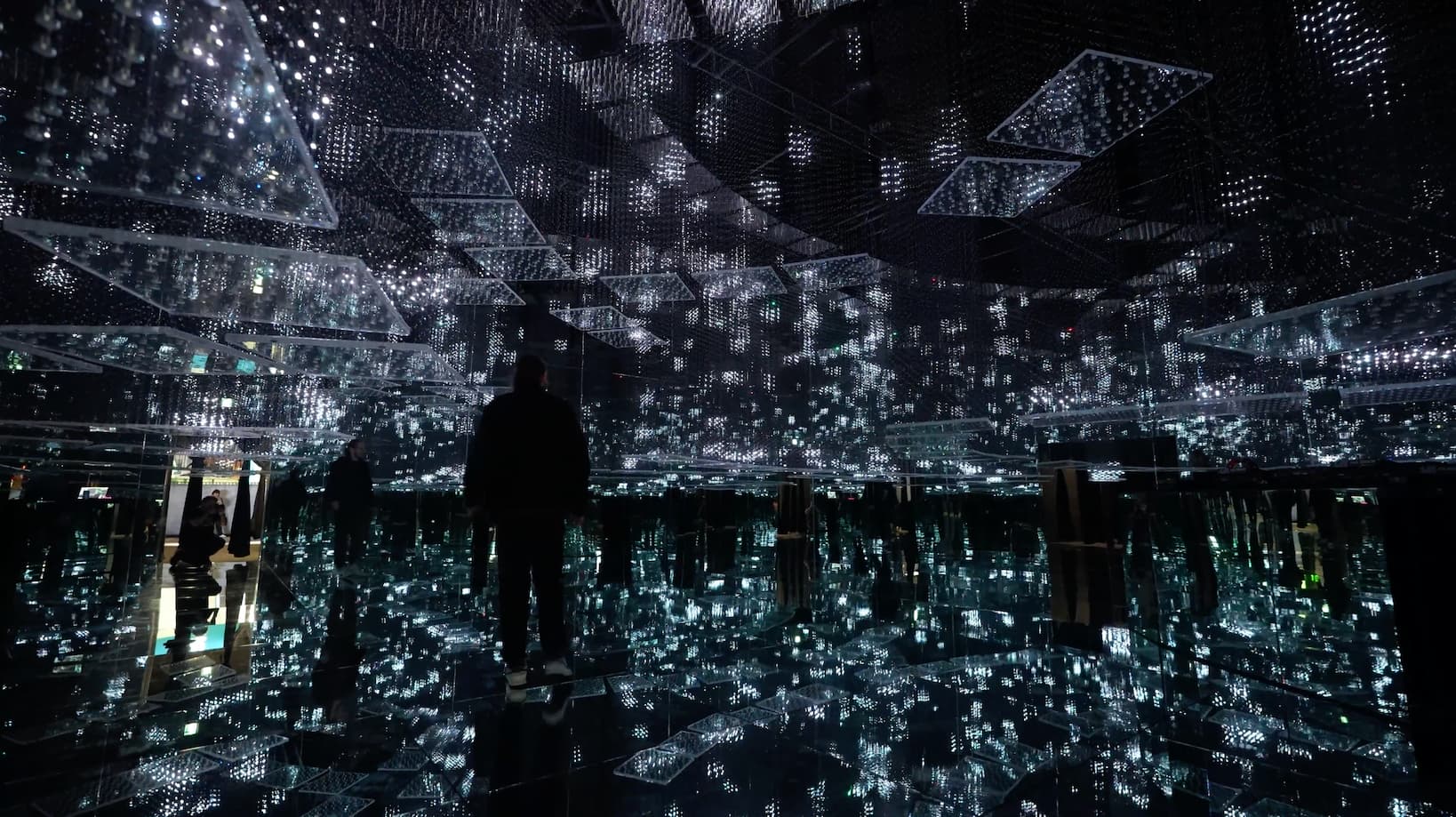
The experience at Milan Design Week was one of the most intense and inspiring collaborations we have undertaken, representing a rare convergence of branding, art, and technology. With full creative freedom and unwavering support, the installation demonstrated how the resources and vision behind a major global brand can enable artistic outcomes that would otherwise be nearly impossible to achieve. Although the work existed for only one week as part of the exhibition “Opposites United”, those who experienced it were able to witness a level of spatial, perceptual, and technological integration that is rarely attainable without such alignment between artistic vision and institutional support.
.jpg)
Content
Soul
Content type
Environment
Soul
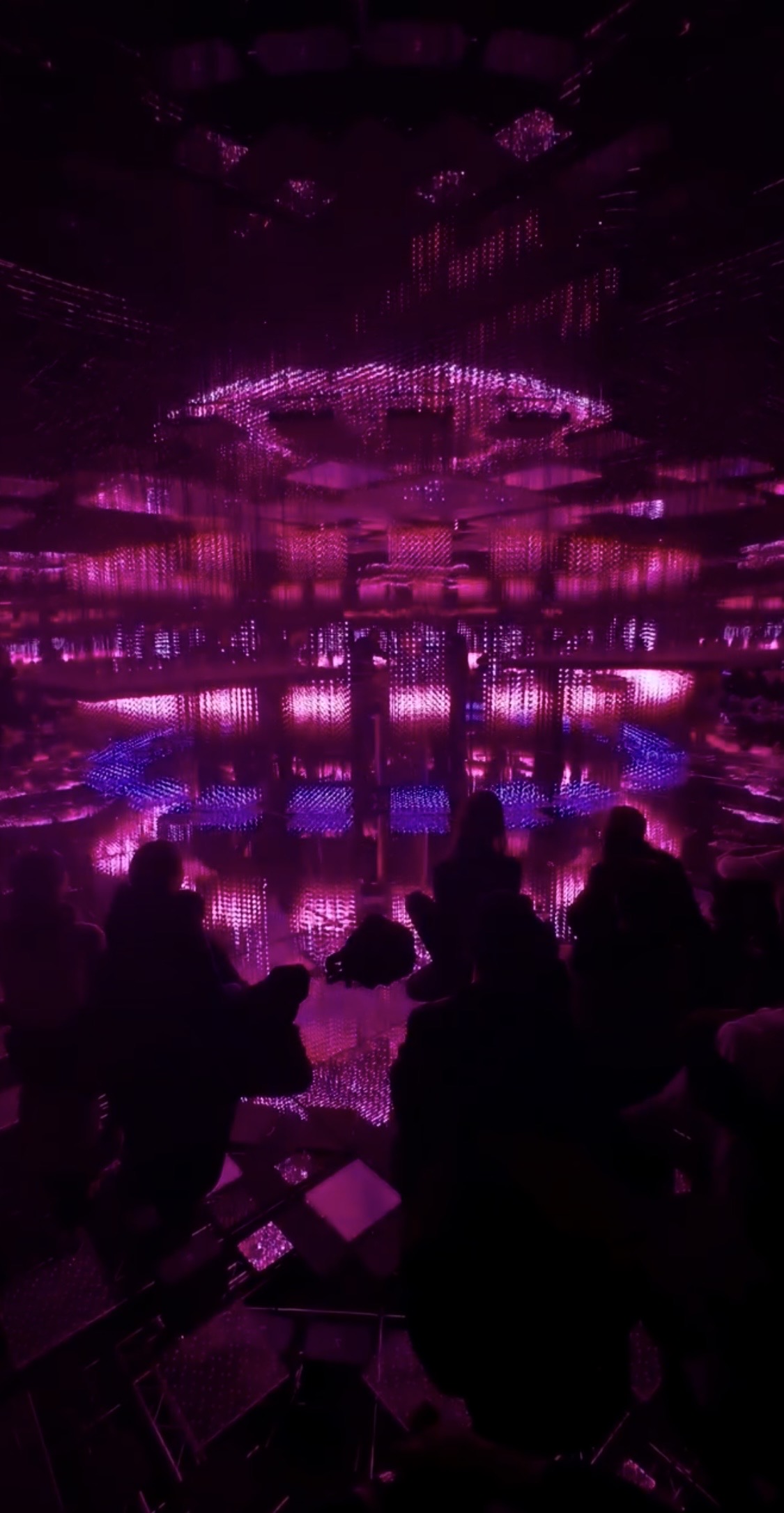
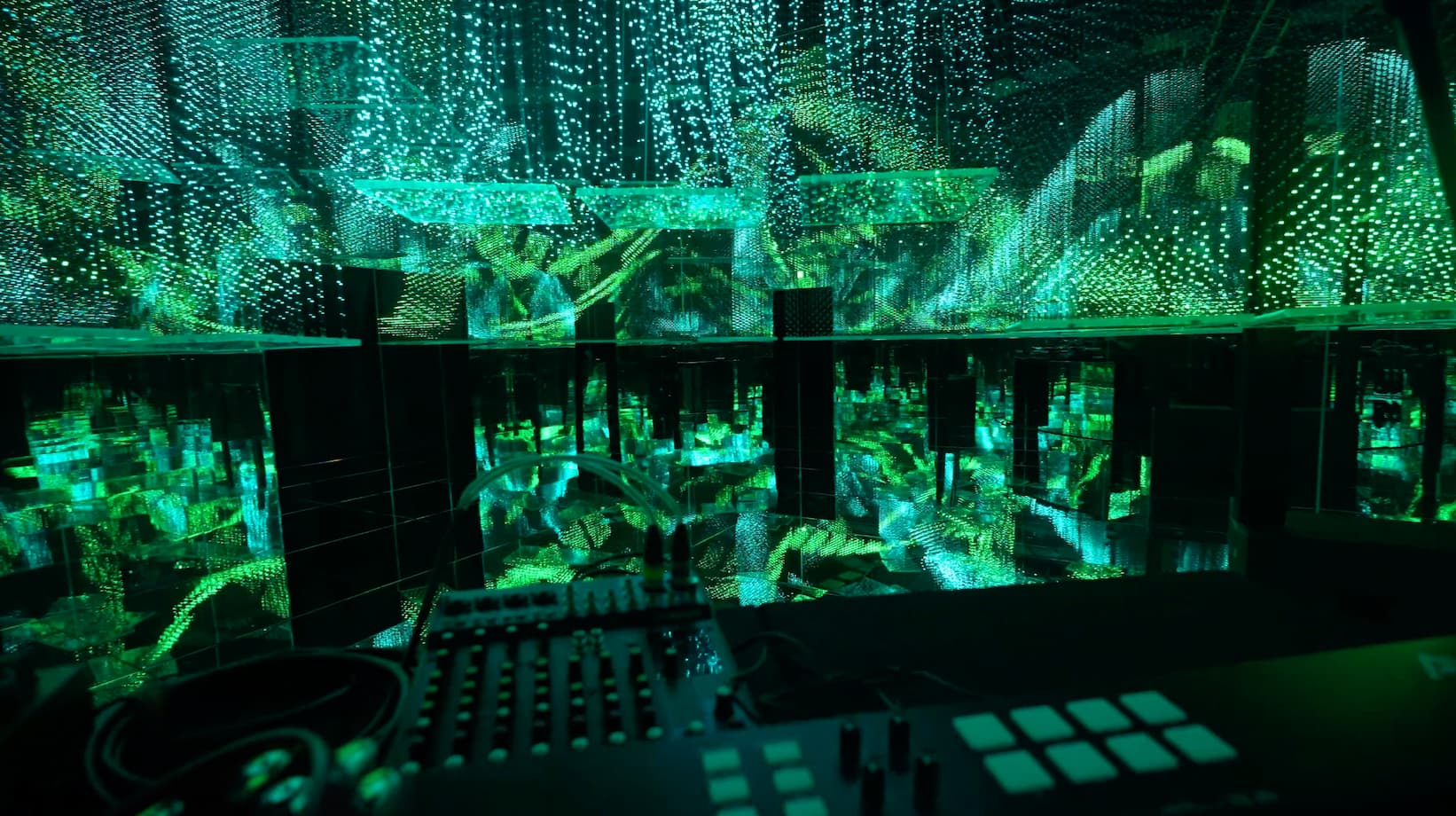
The Soul of the project is its immersive essence: a carefully orchestrated convergence of architectural space, music, perception, mirrors, light, and kinetic elements designed to dissolve ordinary sensory boundaries. These elements immerse the audience in a deeply transcendental and altered perceptual experience, detached from everyday reality and closer to entering a parallel universe, where sound and light feel infinite and perception becomes singular and heightened. Through the shared presence of musicians and visual artists within one unified environment, and an exceptional orchestration of resources, the project created a rare, powerful, and fundamentally unrepeatable experience.
Software
Mind
Software engines
PERCEPTION SYSTEMS
Integrations
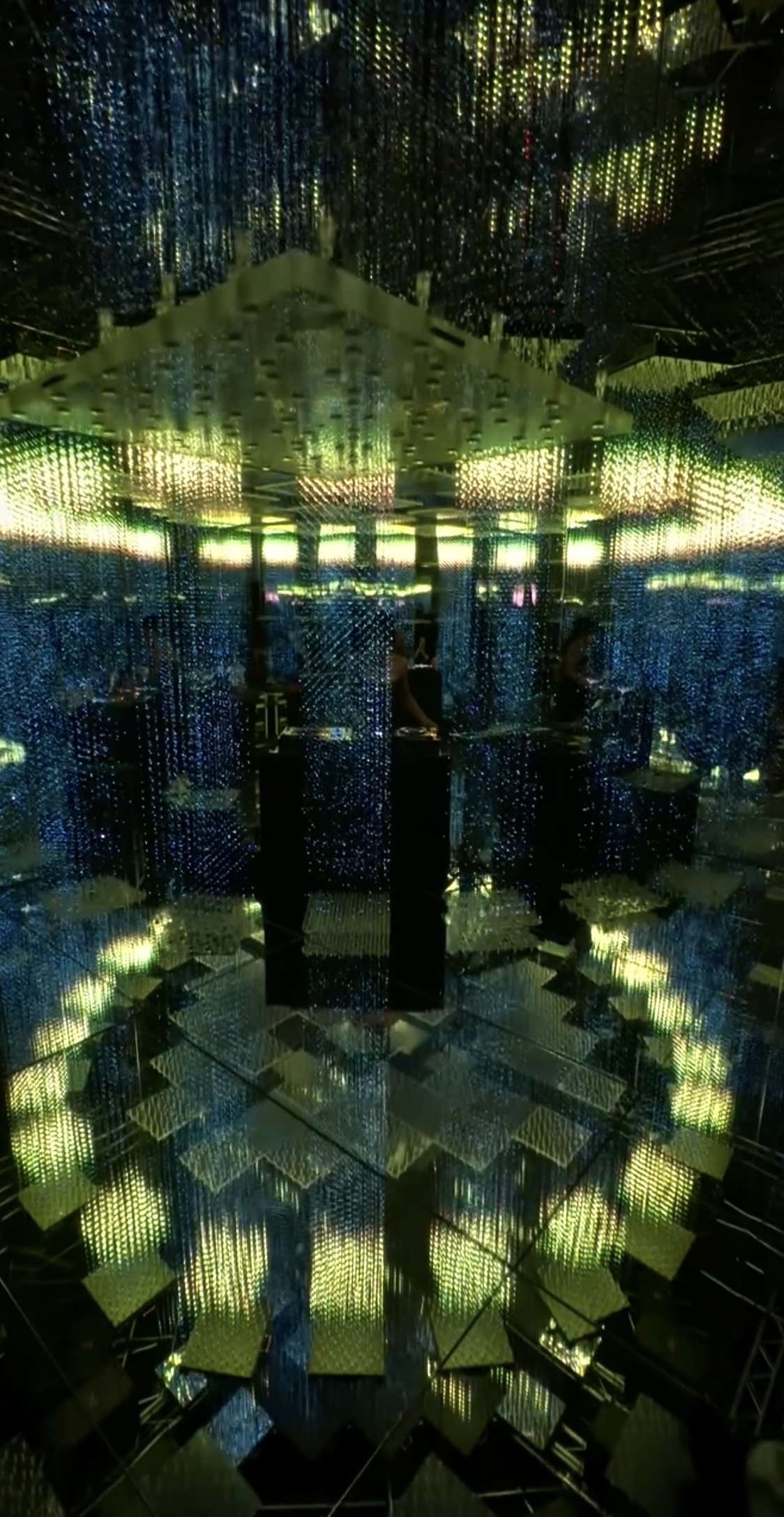
The project is driven by its Mind: a software system designed to deeply integrate human intention, music, and machine interpretation. It listens to music in real time, analyzing frequencies, rhythm, and dynamics, and translates them into synchronized light and kinetic movement, while simultaneously building an evolving audiovisual narrative. Acting as an empathetic bridge between human expression and algorithmic logic, the system interprets sound rather than triggering effects, creating a living dialogue between music, space, and a responsive machine.
Hardware
Body
model
size / voxels
Integrator
CANVAS
Behind the scenes, one of the most significant aspects of the project was the profound respect that KIA showed at every stage of the creative process, trusting the vision and providing the resources and support necessary to bring it fully into reality. This openness enabled a rare level of creative freedom and was reinforced by an exceptional sense of alignment with the musicians and visual artists involved, whose collaboration during the Visual Jam Sessions created a shared language and a deep synergy that was essential to the authenticity and impact of the experience.
PROPOSAL
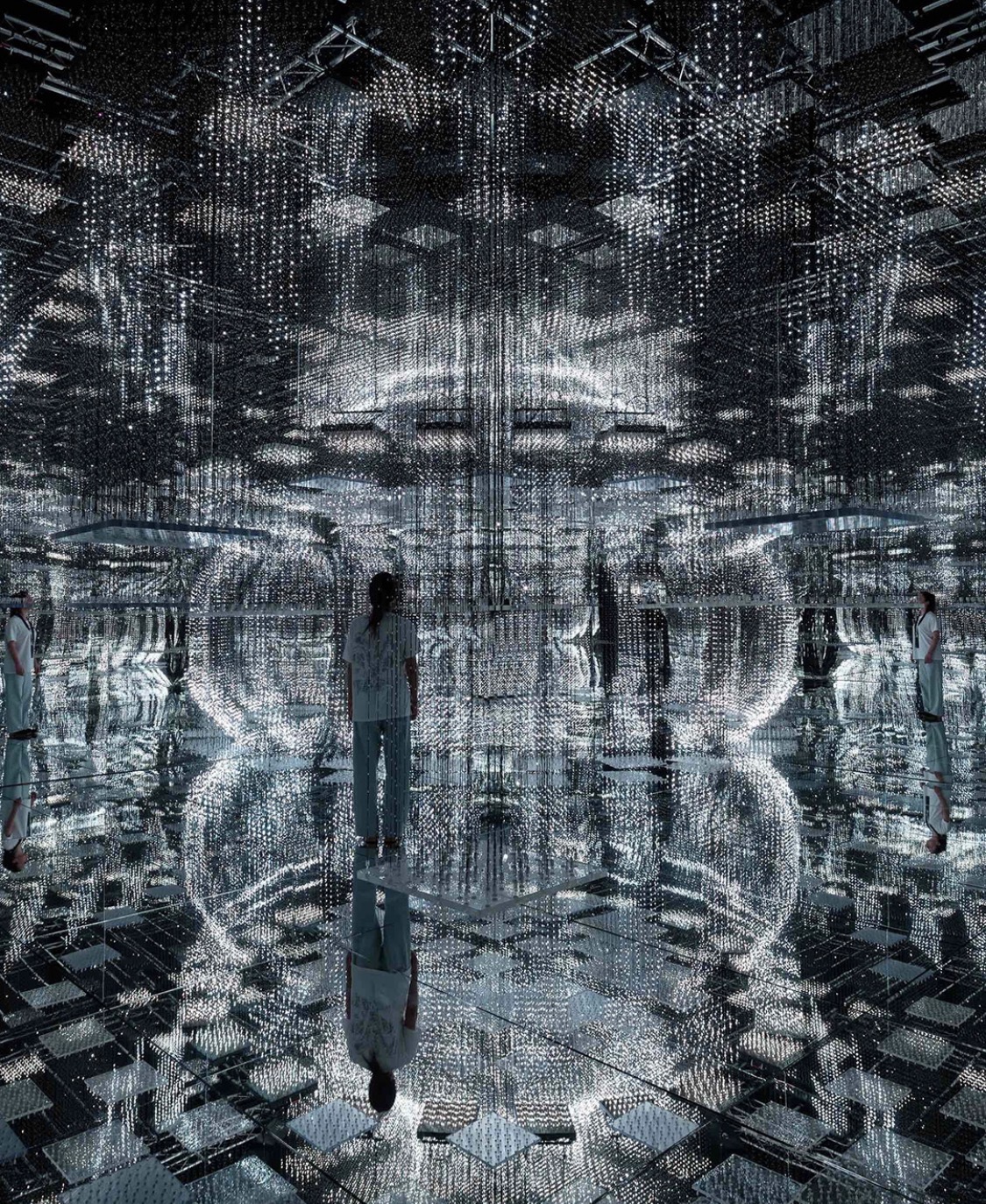
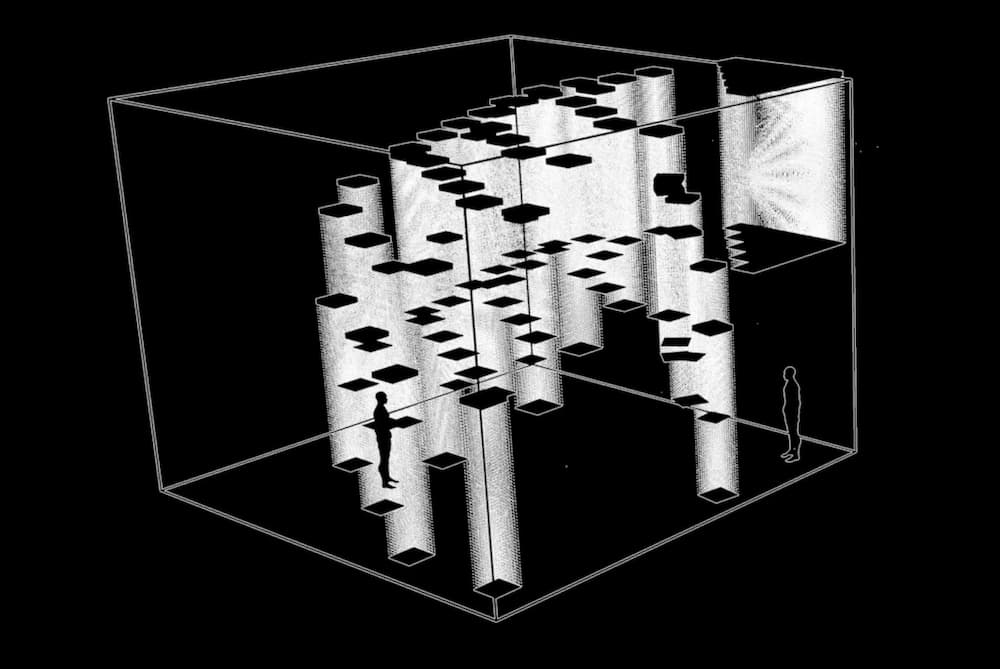
Mirrored walls and floor create an optical illusion in which a Holographic dome executed from one corner completes into a perfect hemisphere. Inspired by the Duomo di Milano, the installation transforms architectural heritage into an immersive, contemporary spatial experience.
INTEGRATION
The complete space presents remarkable dynamism and versatility through its movable elements, serving both as a contemplative exhibition environment and as a stage for live performances — including the Scala di Milano as one of its most notable events.
Milan Design Week and the city of Milan represent one of the most demanding contexts in terms of aesthetics and design. Within this highly rigorous environment, the project became a clear expression of what can emerge when artists and brands collaborate with a shared vision: the brand providing the support and resources to enable creative freedom, and the artists transforming that support into a unique and meaningful experience.
%20(1).jpg)
