USER
Environment
Soul
Exhibition mode
Location
Date


A multidimensional transformative performance with SEAT, an automotive brand recognized for its affiliation and support for art and innovation.
.jpg)
Content
Soul
Content type
Environment
Soul
This has been one of the most complete and exciting experiences to date. The creative freedom granted by the brand has allowed us to explore the limits of the format both in its physical form and in its live interaction capabilities.
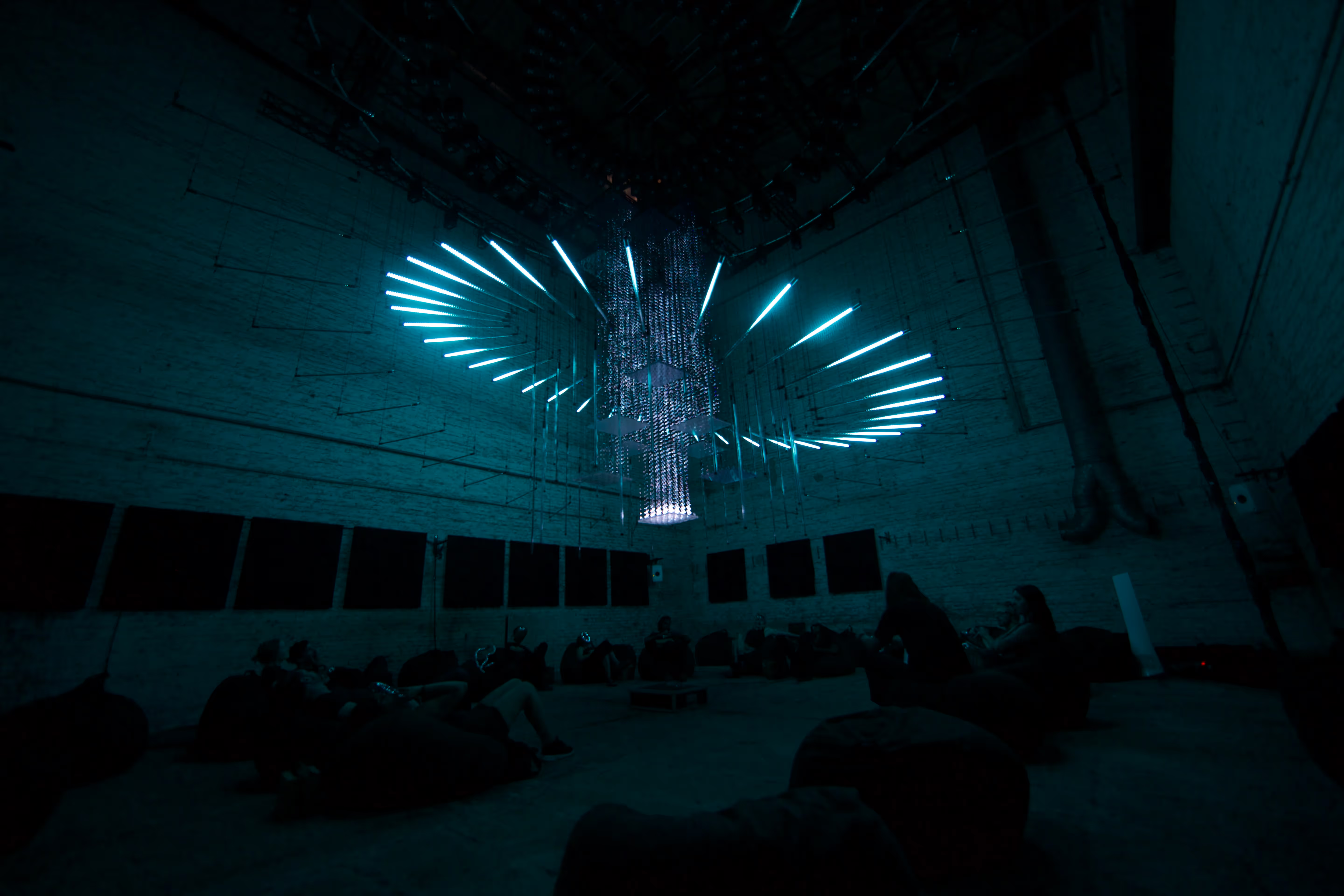
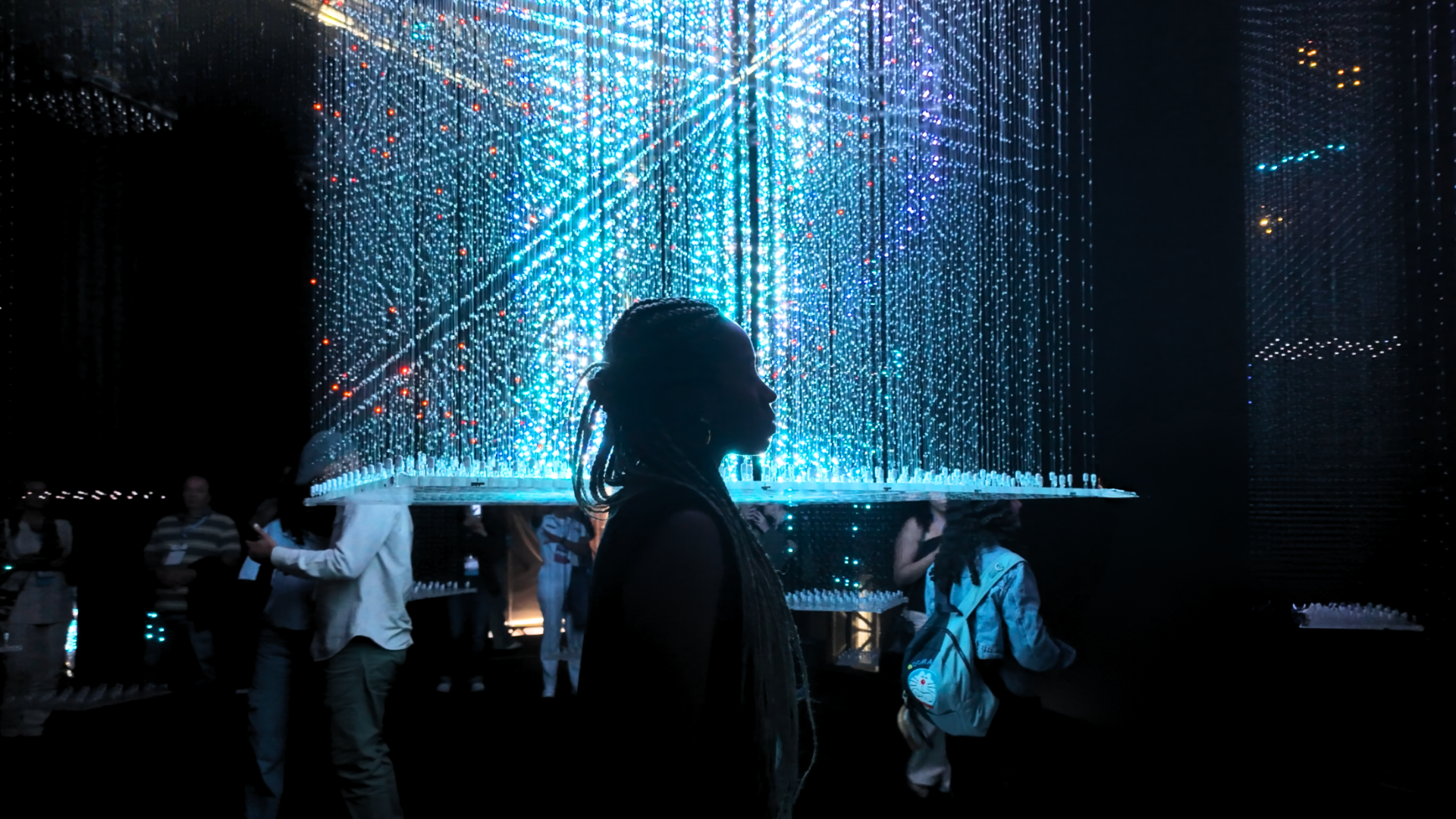
The concept of a “Split System” was experimented for the first time. A configuration in which two or more separate but fully synchronized installations are used to transmit images that flow between the different sections of the system. In a single event, we went through stages of artistic installation, interactive branding, and live show, transforming not only the content of the installation but also the physical structure itself.
All this in one night. The effort was rewarded with a dedicated public that enjoyed a multifaceted spectacle during a surreal night.
Software
Mind
Software engines
PERCEPTION SYSTEMS
Integrations
Modularity
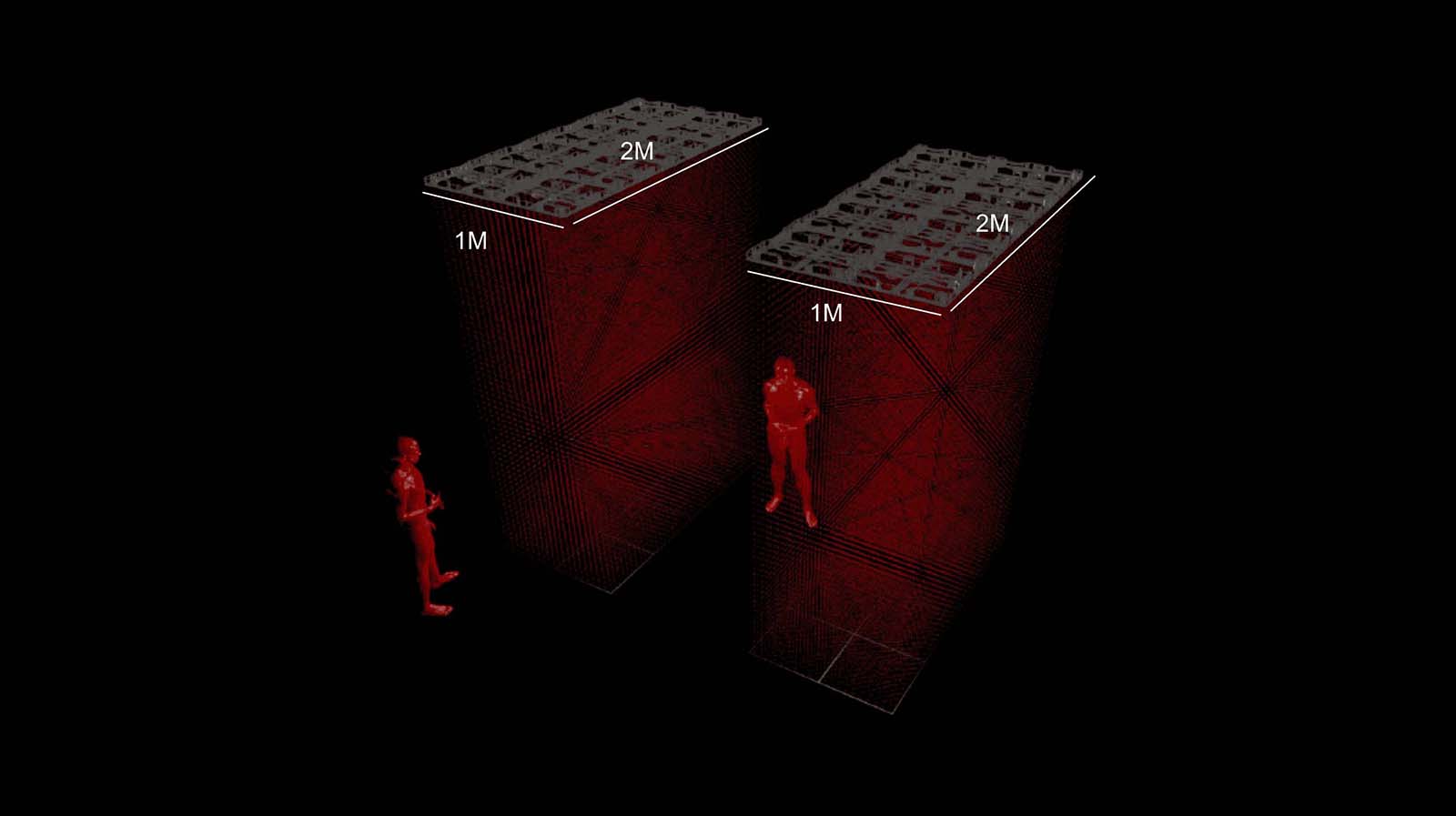
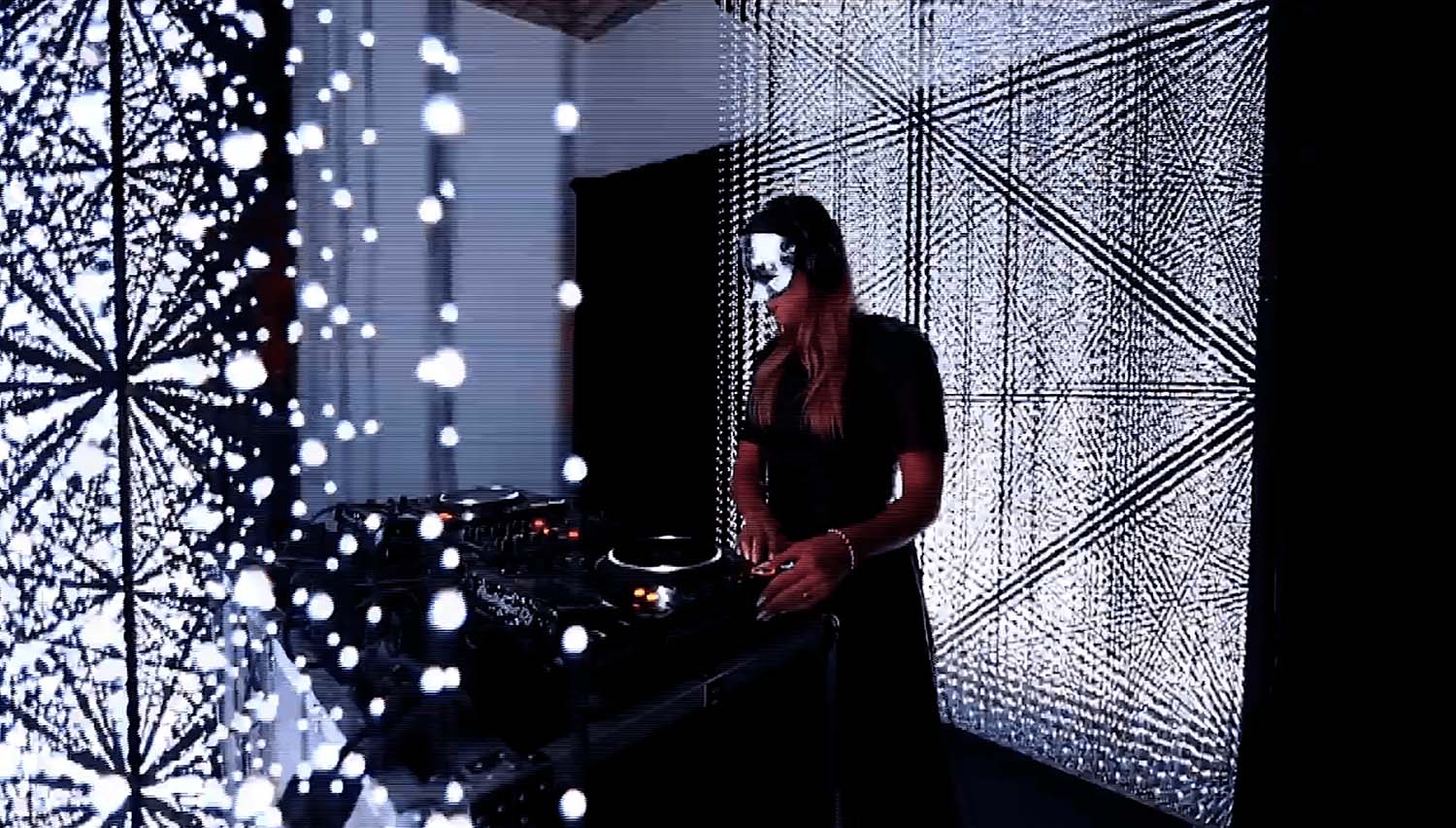
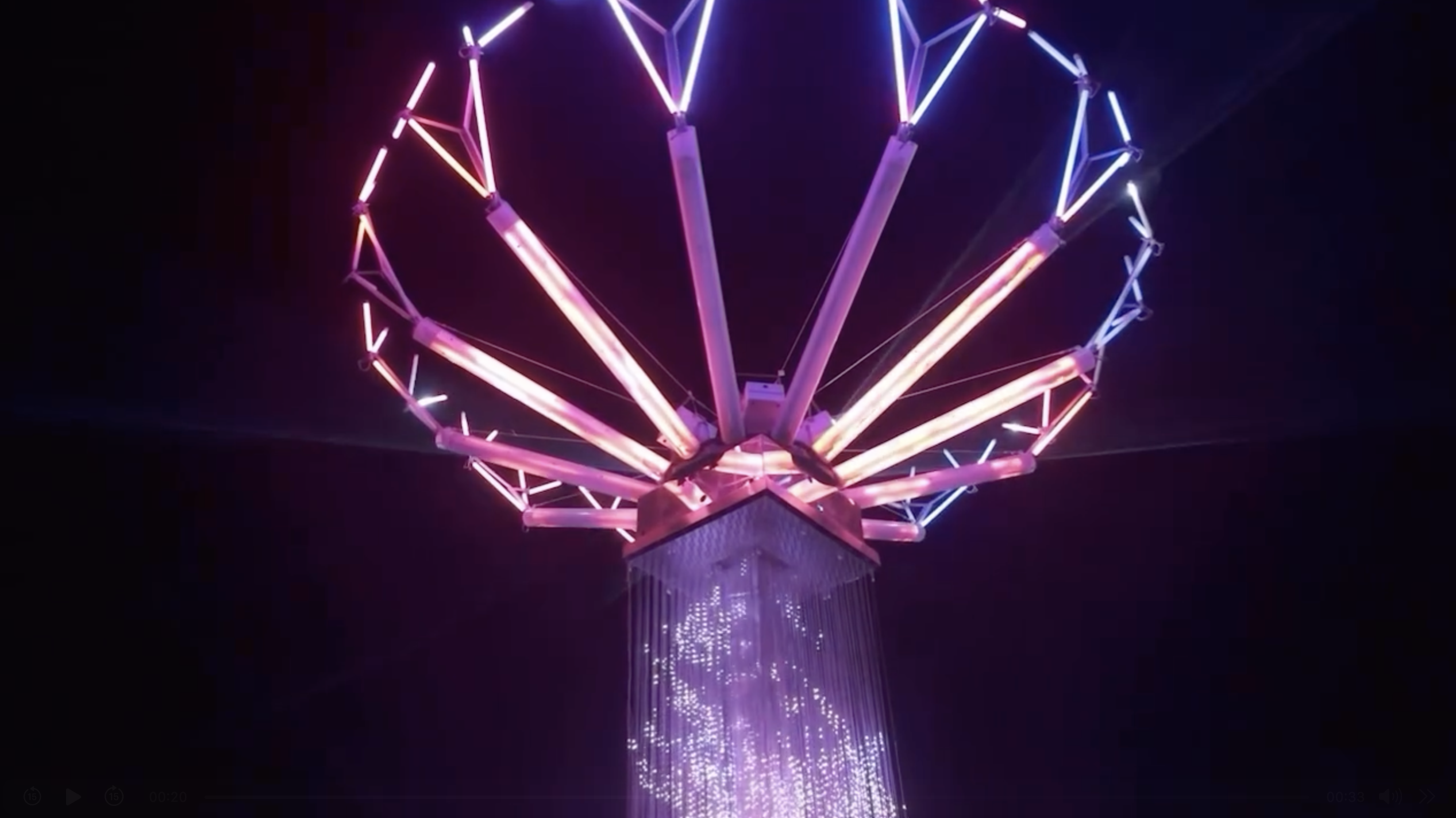
During a single night, the Dragon underwent three physical transformations: Fixed art installation, an interactive volumetric screen, and the main stage element during a DJ / VJ session.
Intro
Forming a corridor made up of the two structures, the installation was programmed as a lighting element, producing a changing atmosphere over three hours. During this time, all 96,000 voxels were activated in unison with a calculated pulse and using only the color red. The programming was done in Resolume.
Interactive / Branding
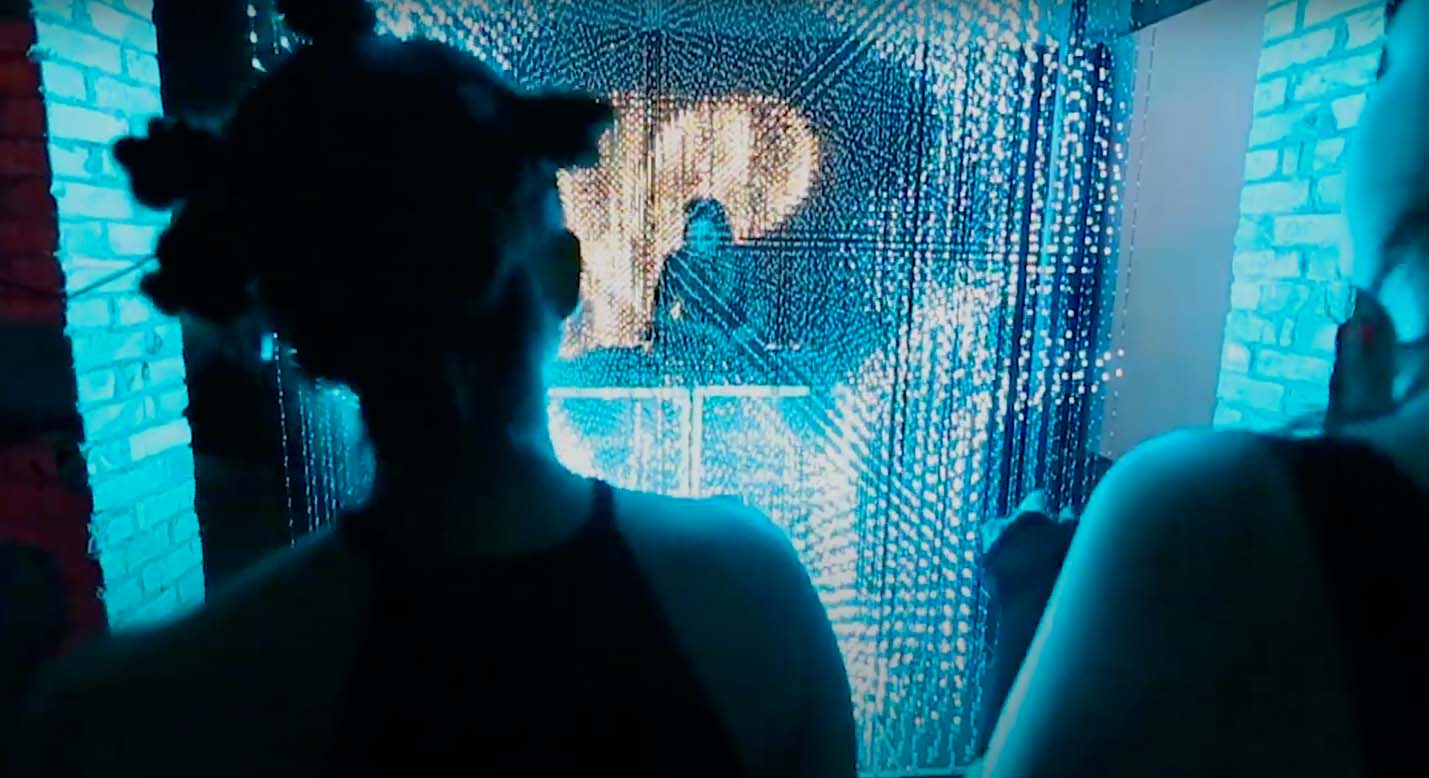
In the second part of the experience, the structures were unified so that the attendees could interact directly with the installation through their body movements. In the intermissions, branding material previously designed in Cinema 4D was projected. The interaction was entirely programmed in Unity.
DJ SET
At the end of the event, a DJ / VJ set was transmitted entirely in real-time. Synchronized BPN functions were programmed as well as a volumetric multilayer system adaptable to Resolume. The different volumetric objects or scenes were transferred in a "layer" system, which allowed the coexistence of several volumetric objects and their mixing. A system was also implemented to respect the empty space between the structures, creating a sense of unity.
%20(1).jpg)
